For the last decade, the climate conversation has been dominated by gigawatt-scale wind farms and sprawling solar arrays. We’ve mastered energy generation. But as we head into 2026, the real revolution isn’t in the sky; it’s in the materials we use and the way we store that energy.
The biggest breakthroughs coming out of late 2025 aren’t sleek new microchips or complex AI models. They are elegant, elemental, and refreshingly low-tech—harnessing the power of sand, seawater, and simple plant matter.
This is the Material Revolution, and it’s what the UN’s recent “Nature-Positive” report was truly highlighting: sustainability isn’t about expensive new inventions; it’s about intelligent resource management.
💧 Seawater Hydrogen: The Fresh Solution to Green Fuel
For years, the dream of “green hydrogen” (produced using renewable electricity) was hobbled by one inconvenient truth: it required vast amounts of freshwater. In a world facing increasing water scarcity, this was a non-starter for massive industrial scale-up.
Enter the game-changer: Seawater Hydrogen.
Companies like Equatic are pioneering technology that not only produces green hydrogen but does it directly from the ocean, simultaneously capturing and sequestering carbon from the seawater. This is a double-win.
- Solves Scarcity: By using the sea, we decouple clean fuel production from precious drinking water resources.
- Boosts Carbon Removal: The process pulls carbon dioxide from the water, which in turn allows the ocean to absorb more $\text{CO}_2$ from the atmosphere, creating a powerful, scalable carbon sink.
This breakthrough potentially unlocks the industrial-scale hydrogen economy, giving us a genuine, clean replacement for fossil fuels in shipping, heavy industry, and aviation, all without draining the world’s reservoirs.
🔥 Sand Batteries: Trading Lithium for Local Heat
The second major shift is in energy storage, moving beyond the near-total reliance on lithium-ion batteries. While lithium is excellent for short-term, portable power, it’s expensive, relies on geopolitically sensitive supply chains, and is difficult to recycle at scale.
In late 2025, the concept of the Sand Battery is going mainstream. Pioneered in Finland, this technology involves heating massive insulated silos of ordinary sand using surplus renewable electricity. The sand stores the heat at temperatures up to $600^\circ \text{C}$ for months, which can then be used to provide heat and hot water for district heating networks.
| Feature | Lithium-ion Battery | Sand Battery (Thermal Storage) |
| Material | Lithium, Cobalt, Nickel | Ordinary Sand/Stone |
| Primary Use | Electricity storage (short-term) | Heat storage (long-term, seasonal) |
| Cost/Scale | High cost, complex manufacturing | Low cost, easily scalable |
| Dependency | Relies on mining & global supply chain | Relies on local, abundant materials |
This simple, low-cost solution is a perfect fit for northern climates and industrial zones, proving that sometimes, the best storage isn’t chemical or electrical, but purely thermal.
🌿 Plant-Based Packaging: The End of “Recycling Guilt”
For years, we’ve been told to “Reduce, Reuse, Recycle.” But the reality of plastic recycling is dishearteningly complex and ineffective. The new focus is moving beyond recycling to composting and, even better, edibility.
Leading the charge are companies like the UK-based Xampla, which is finally making its plant-based polymer alternatives a mass-market reality. Derived from proteins, this material performs like plastic but completely breaks down in nature—or can be safely eaten.
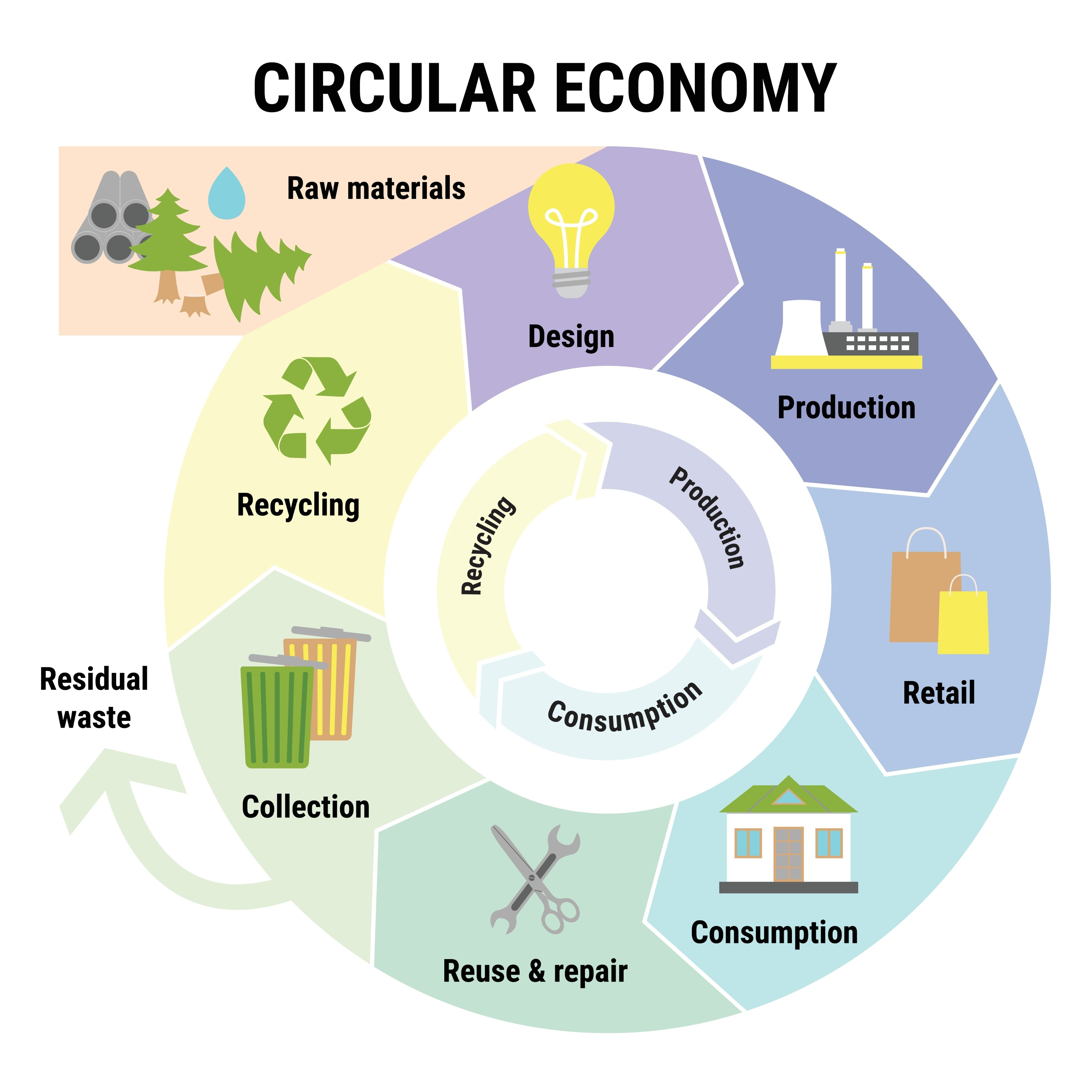
This isn’t just about eco-friendly dog-food packaging or soap sachets; it’s about fundamentally changing our materials supply chain to be circular by design. If the packaging material is derived from nature and safely returns to nature, we eliminate the persistent problem of waste, making the entire economy truly circular and reducing the reliance on virgin petrochemicals.
The Real Gyan: Elemental Sustainability
The lesson from the Material Revolution is clear: sustainability is not always about cutting-edge computational power.
In the race to save the climate, we often overlook the most abundant and basic resources available on our planet: salt, water, sand, and plant life.
The brilliance of these 2025 breakthroughs lies in their simplicity and local accessibility. They don’t require complex international supply chains, rare-earth metals, or hyper-specialized manufacturing plants. They are elemental solutions for an elemental problem. They remind us that the smartest path forward often involves taking a material found everywhere—like sand or seawater—and creatively re-engineering its use for a truly resilient, decentralized, and nature-positive future.


No responses yet