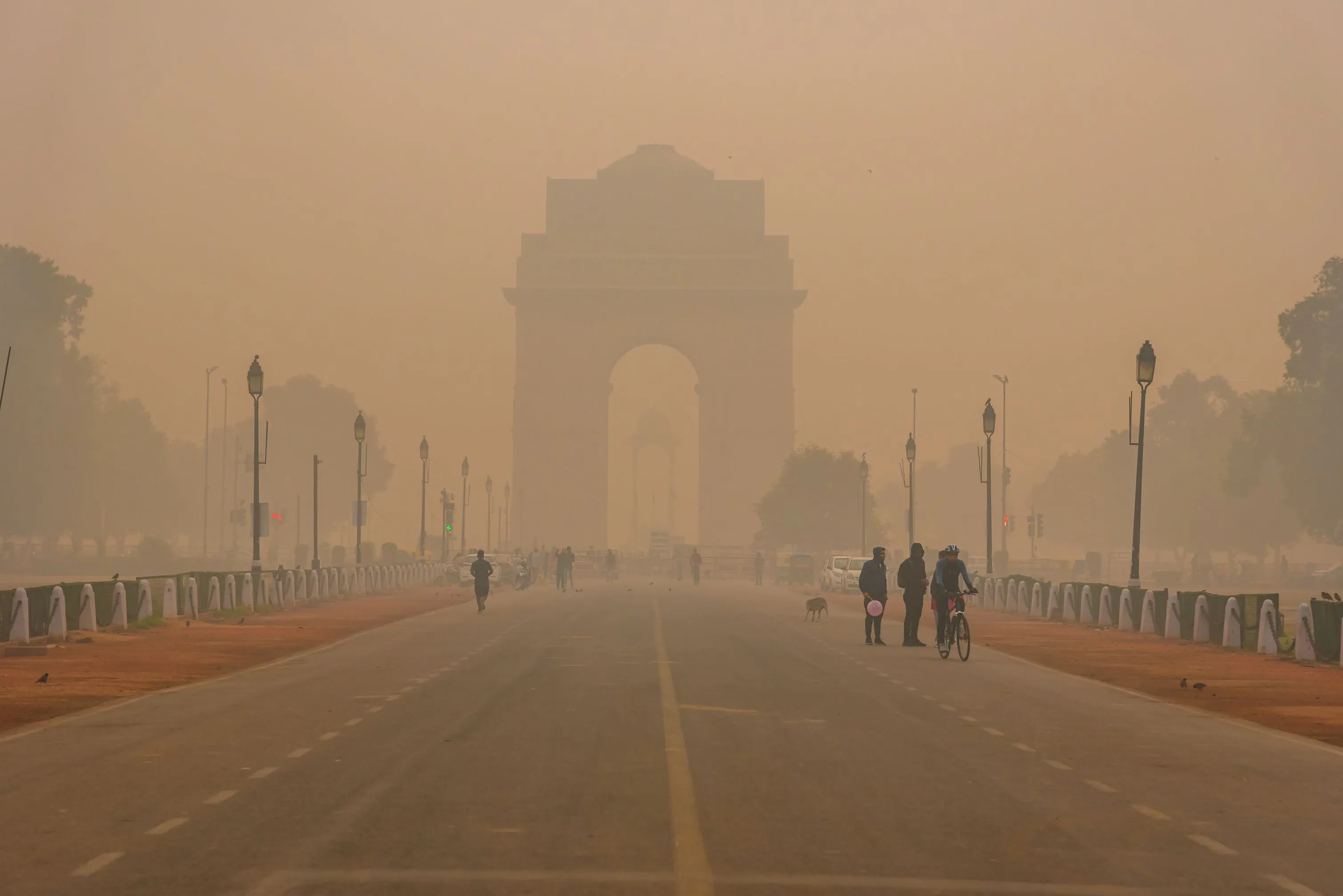
In 2025, Delhi NCR continues to grapple with a paradoxical challenge: how to clear the “toxic veil” that blankets the region every winter without stalling the economic engine of India’s most vital metropolitan hub. While emergency measures like the Graded Response Action Plan (GRAP) are essential for crisis management, they often rely on shutdowns—halting construction and banning trucks—which can lead to significant industrial losses.
A sustainable solution lies not in stopping activity, but in decoupling economic growth from emissions.
1. The Circular Economy of Agriculture
The annual spike in PM2.5 levels is heavily tied to stubble burning in neighboring states. Rather than punitive bans on farmers, the focus has shifted toward ex-situ management—turning waste into wealth.
- Bio-Energy Plants: Investing in plants that convert paddy straw into Compressed Biogas (CBG) or pellets for thermal power plants. This provides farmers with a revenue stream and creates jobs in the green energy sector.
- Industrial Feedstock: Encouraging the use of crop residue as raw material for the packaging and paper industries, replacing plastic and reducing the need for burning.
2. Electrification & “Green” Logistics
Transportation accounts for nearly 36% of NOx emissions in the capital. To maintain the flow of goods without the soot:
- EV Freight Corridors: Establishing dedicated lanes and charging infrastructure for electric commercial vehicles. This allows logistics to continue during “Severe” AQI days when diesel trucks are restricted.
- The “Last-Mile” Metro Expansion: In 2025, the Delhi government increased its Metro budget by 60%, aiming for a network so dense that private vehicle use becomes an inconvenience rather than a necessity.
- Work-from-Hybrid: Formalizing hybrid work models for the service sector. This reduces peak-hour traffic—the primary cause of “idle emissions”—without reducing corporate productivity.
3. Tech-Driven Industrial Compliance
Industries are the backbone of the NCR economy. Instead of shutting them down, the focus is on modernizing the “Red Category” industries through:
- Real-time Monitoring: Scaling up Online Monitoring Stations (OLMS) that alert authorities to leaks or filter failures instantly, allowing for targeted rather than blanket shutdowns.
- Green Technology Incentives: Providing tax breaks for MSMEs (Micro, Small, and Medium Enterprises) to install Wet Scrubbers and Electrostatic Precipitators (ESPs). These technologies capture sub-micron particles before they leave the chimney.
4. Dust Mitigation as Infrastructure
Construction is a massive employer, and halting it leads to wage losses for millions of daily wagers.
- Mechanized Dust Control: Mandatory use of Anti-Smog Guns and mechanized road sweepers at all major sites (G+5 buildings and above).
- Paving and Greening: A significant portion of Delhi’s PM10 comes from road dust. Paving unpaved road shoulders and “greening” bare patches with native vegetation acts as a permanent, passive filter for the city.
The Economic Upside of Clean Air
Contrary to the belief that environmentalism hurts the pocket, a World Economic Forum report suggests that achieving safe air quality could boost India’s GDP by 3% ($95 billion) annually. This gain comes from:
- Reduced Absenteeism: Fewer sick days for workers.
- Increased Consumer Footfall: People are more likely to visit markets and restaurants when the air is breathable.
- Healthcare Savings: Lowering the astronomical costs associated with respiratory and cardiovascular treatments.
How you can contribute
Would you like me to draft a Green Business Checklist for offices or a Citizen’s Guide for reducing personal carbon footprints during high-pollution months?


No responses yet