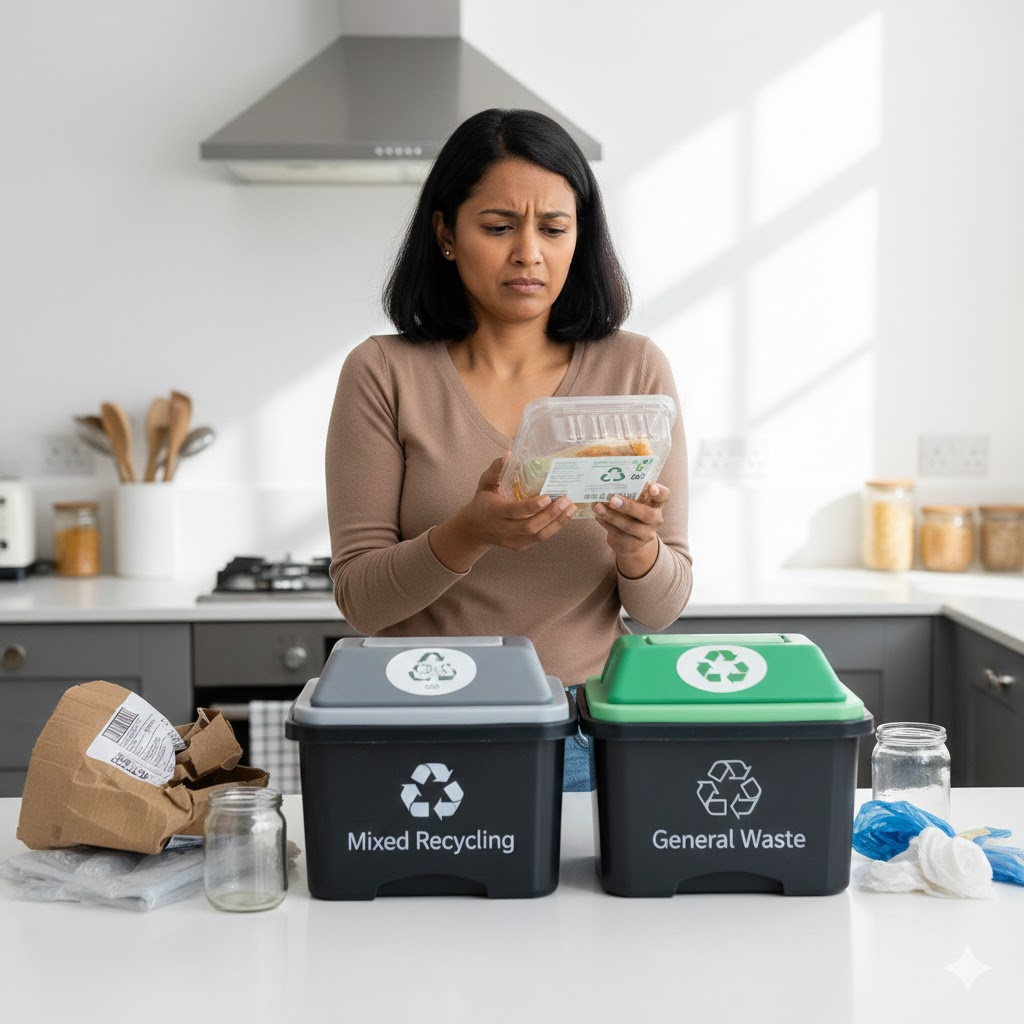
Ever stood by the bin, scrutinizing a plastic container, utterly confused by the cryptic symbols etched onto its base? You’re not alone! In a world increasingly focused on sustainability, understanding recycling symbols has become a common consumer pain point. Many of us want to do our part, but the sheer variety of logos, numbers, and arrows can make proper recycling feel like solving a complex puzzle.
Fear not, eco-warriors! This ultimate guide is here to demystify those symbols and empower you to recycle with confidence. Let’s transform confusion into clarity, one symbol at a time!
The Green Arrows: Not Always What They Seem!
The most iconic recycling symbol is the Mobius Loop – three chasing arrows forming a triangle. While it’s universally recognized, its meaning can be surprisingly nuanced.

- Mobius Loop (without a number): This generally means the material can be recycled, but it doesn’t guarantee that your local facility will accept it or that it’s made from recycled content. It’s more of a general statement of recyclability.
- Mobius Loop (with a percentage): If you see a percentage inside or next to the loop, it indicates that the packaging contains that much recycled content. For example, “50% Recycled Content” means half of the material was previously recycled.
The Big Seven: Plastic Resin Codes (The Numbers 1-7)
This is where much of the confusion lies! Plastics are categorized into seven types, each with a specific number inside a Mobius Loop. These numbers are called Resin Identification Codes (RICs). Knowing them is crucial, as not all local recycling programs accept all seven types.

Here’s a breakdown of the “Big Seven”:
1. PET (Polyethylene Terephthalate)
- Commonly Found In: Soft drink bottles, water bottles, mouthwash bottles, salad dressing containers, peanut butter jars.
- Why It’s Recycled: Highly recyclable and often turned into new bottles, polyester fibers (for clothes, carpets), or strapping.
- Recyclability: Widely accepted by most curbside programs. Look for “PET” or “PETE.”
2. HDPE (High-Density Polyethylene)
- Commonly Found In: Milk jugs, laundry detergent bottles, shampoo bottles, bleach containers, motor oil bottles, some plastic bags.
- Why It’s Recycled: Very durable and versatile. Often recycled into plastic lumber, pipes, recycling bins, and new bottles.
- Recyclability: Widely accepted by most curbside programs.
3. PVC (Polyvinyl Chloride)
- Commonly Found In: Window cleaner bottles, cooking oil bottles, clear food packaging (cling film), plumbing pipes, garden hoses.
- Why It’s Recycled: Less commonly recycled due to its complex composition and potential for releasing toxins during processing.
- Recyclability: Rarely accepted by curbside programs. Check with specialty recyclers.
4. LDPE (Low-Density Polyethylene)
- Commonly Found In: Plastic shopping bags, bread bags, dry cleaning bags, squeezable bottles, some food wraps.
- Why It’s Recycled: Often recycled into compost bins, floor tiles, and some types of plastic lumber.
- Recyclability: Generally not accepted in curbside bins. Many grocery stores have drop-off bins for plastic films/bags.
5. PP (Polypropylene)
- Commonly Found In: Yogurt containers, butter tubs, medicine bottles, bottle caps, straws, some food storage containers.
- Why It’s Recycled: Increasingly recycled into car battery cases, brooms, brushes, and ice scrapers.
- Recyclability: Acceptance varies widely by local program. Check your local guidelines!
6. PS (Polystyrene)
- Commonly Found In: Disposable coffee cups, foam packaging (Styrofoam peanuts), meat trays, plastic cutlery, CD cases.
- Why It’s Recycled: Very difficult to recycle due to its lightweight and bulky nature.
- Recyclability: Rarely accepted in curbside programs. Some specialty recyclers may take it.
7. OTHER (All Other Plastics)
- Commonly Found In: Multi-layer plastics, composite plastics, polycarbonate (e.g., some reusable water bottles, safety glasses), bioplastics.
- Why It’s Recycled: This category is a catch-all for plastics that don’t fit into the other six. It’s a mix of different resins, making it challenging to recycle.
- Recyclability: Almost never accepted in curbside programs.
Beyond Plastics: Other Key Recycling Symbols

It’s not just plastic that has symbols! Here are some other important ones to recognize:
1 Glass Recycling Symbols
- Often depicts a bottle or jar with chasing arrows. Sometimes, it includes separate symbols for clear, green, and brown glass, as these are often sorted separately.
- Action Tip: Always rinse glass containers and remove lids (unless specified otherwise by your local program).
2 Paper and Cardboard Symbols
- Usually the standard Mobius Loop.
- FSC Certified: Indicates that the paper product comes from responsibly managed forests.
- Corrugated Cardboard: Often features two wavy lines in the Mobius Loop.
- Action Tip: Flatten cardboard boxes to save space. Remove tape and labels if possible, though many facilities can process small amounts.
3 Aluminium and Steel (Metal) Symbols
- Aluminium: Often represented by “ALU” or a symbol resembling a can with chasing arrows.
- Steel/Tin: May show “STEEL” or “TIN” with the chasing arrows, or a magnet symbol, as steel is magnetic.
- Action Tip: Rinse cans. You can often crush them to save space.
4 Battery Recycling Symbols
- Features a crossed-out wheeled bin, indicating that batteries should not be disposed of in general waste. Often accompanied by chemical symbols like Hg (Mercury), Cd (Cadmium), or Pb (Lead) for hazardous batteries.
- Action Tip: Take old batteries to designated drop-off points at electronics stores or municipal waste centers.
5 Electronic Waste (WEEE) Symbol
- The “crossed-out wheeled bin” symbol is also used for Waste Electrical and Electronic Equipment (WEEE).
- Action Tip: Never put electronics in your general recycling or waste bin. They contain valuable materials and hazardous substances. Look for e-waste collection points or special recycling events.
6 Compostable/Biodegradable Symbols
- These symbols vary widely but often include a leaf, a seedling, or text like “Compostable” or “Biodegradable.”
- Action Tip: Crucially, ‘biodegradable’ does not always mean ‘compostable’ in a home or industrial compost facility. Check if the item is certified for industrial composting or home composting, and if your local facility accepts it. Don’t assume it can go into your green bin unless explicitly stated.
Your Local Recycling Rules are KING!
While these symbols provide a universal guide, the most important rule of recycling is to check your local municipality’s guidelines. Recycling infrastructure varies significantly from city to city, and even within different communities.
Here’s how to avoid common recycling mistakes:
- Visit Your Municipality’s Website: This is the most accurate source for what’s accepted in your specific curbside program.
- Look for Drop-Off Locations: For items not accepted curbside (like plastic bags, batteries, electronics, or Styrofoam), there are often special collection points.
- “When in Doubt, Throw it Out”: While this sounds counterintuitive, placing non-recyclable items into the recycling bin (known as “wishcycling”) can contaminate an entire batch of recyclables, sending everything to landfill. It’s better to dispose of it properly if you’re unsure.
- Rinse & Clean: Most food containers need to be rinsed clean to avoid contamination.
Empower Yourself, Empower the Planet!
Understanding recycling symbols might seem like a small step, but it’s a powerful one. By making informed choices, you contribute directly to a more efficient recycling system, reduce landfill waste, conserve resources, and lessen your environmental footprint.
So next time you’re about to toss something, take a moment, look for the symbol, and recycle right! Your planet will thank you.
What’s the most confusing recycling symbol you’ve encountered? Share your thoughts and tips in the comments below!


No responses yet