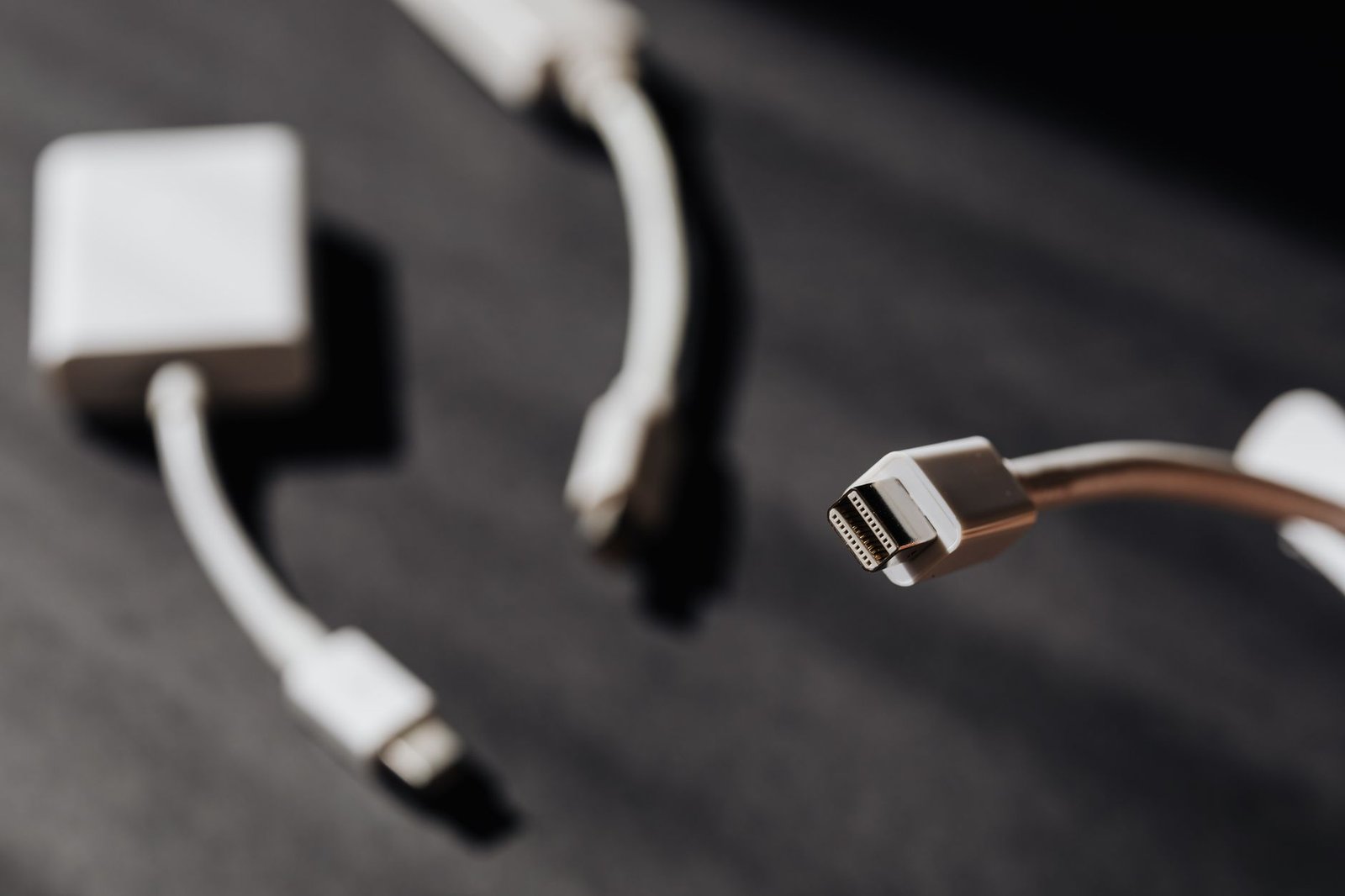
For nearly two decades, buying a new gadget meant inheriting a new cable. Micro-USB for one phone, a proprietary pin for another, a barrel plug for the laptop, a Lightning connector for the iPhone — drawers everywhere filled up with chargers nobody could quite match to the right device. That era is closing. Regulation, market pressure, and now a wave of voluntary moves by manufacturers are pushing USB Type-C from “nice to have” to the only port that matters, at every price point.

The latest signal comes from an unlikely corner of the market: India’s feature phone segment, historically the last holdout for the old Type-B (micro-USB) connector.
The EU lit the fuse
The single biggest catalyst for USB-C’s global takeover was the European Union’s Common Charger Directive (2022/2380), formally approved by the Council of the EU in October 2022. From 28 December 2024, the rules require USB-C ports on mobile phones, tablets, digital cameras, headphones, headsets, videogame consoles, portable speakers, e-readers, keyboards, mice, portable navigation systems, and earbuds sold in the EU, extending to laptops from 28 April 2026.
That laptop deadline has already come and gone: the transition period for laptop manufacturers expired on 28 April 2026, meaning all new laptops sold in the EU are now legally required to include at least one USB-C port, covering devices rated at 100W or below. The regulation isn’t just about the port shape either — manufacturers must also give consumers the option to buy a device without a bundled charger, and provide clearer information about charging characteristics, so charging speed isn’t held hostage to a proprietary ecosystem. Brussels estimates the harmonisation could save European consumers real money and cut thousands of tonnes of e-waste every year
Indian companies close the gap at the bottom of the pyramid
Many Indian companies have already joined the Type-C movement. Close on the heels of the EU, starting from June 2025, all new smartphones and tablets sold in India were required to carry a standard USB-C port, with the same rule extending to laptops by the end of 2026. But regulators carved out an exception: feature phones, wearables, and other accessories were kept exempt from the mandate for now. However, there were a few devices in circulation that still used Type-B chargers, mainly due to the exemptions in the Indian regulations. One of these companies was itel, a leading feature phone brand, that was still selling feature phones with Type-B chargers. However, on 31 July 2026, itel also announced it is retiring Type-B charging across its entire feature phone portfolio, including its lowest-priced models. Until now, Type-C had largely been reserved for smartphones and select higher-end feature phones; basic handsets, sold in massive volumes to price-sensitive buyers across the country, continued to ship with the older micro-USB port. itel says this is an industry-first move in the category, and it’s using the moment to also launch its feature phone Heera in the entry-level segment with Type-C support built in, backed by its retail footprint of over 1.3 lakh outlets and 1,000+ service centres.

That exemption is exactly the gap itel has chosen to close on its own, ahead of any legal requirement, at the entry-level price points where cost pressure is most acute. It’s a strong example of a market participant reading regulatory direction — even where it stops short — and deciding to complete the standardization anyway, framing it as a reliability and trust play for its “Bharat” customer base of feature phone users who depend on their devices for payments, communication, and daily connectivity.
Apple’s surrender was the tipping point culturally
If the EU law was the legal trigger, Apple’s move was the cultural one. Apple had defended its Lightning connector for over a decade before finally switching the iPhone 15 line to USB-C in 2023. The company was candid about why: it didn’t have a choice. The EU’s 2022 legislation forced tech companies to adopt USB-C as the sole charging standard, citing the electronic waste caused by discarded chargers and the inconvenience of needing different cables for different devices. The switch cost Apple part of the revenue it collected from accessory makers licensing its proprietary Lightning standard, and the company had originally pushed back on the EU’s plans before eventually complying.</cite>
Once the world’s most valuable consumer electronics brand fell in line, USB-C’s status as the universal standard stopped being a regulatory technicality and became common sense for every manufacturer watching from the sidelines.
Not just the EU and India
The pattern is now global, even if the exact deadlines differ market to market:
- Taiwan has moved to require USB-C for phones through its National Communications Commission.
- California passed its own state-level law mandating USB-C across a range of consumer electronics, mirroring the EU’s approach within the US market.
- Multiple other jurisdictions have signalled similar intent as the EU’s rule has become the de facto template regulators reach for, given the size of the European market and Apple’s compliance removing the last major holdout’s excuse.
Taken together, the direction of travel is unambiguous: what began as one regional regulation aimed at cutting e-waste has become the connector every major device category converges on — smartphones, tablets, laptops, earbuds, cameras, handheld consoles, and now, thanks to moves like itel’s, even the most affordable feature phones sold to first-time mobile users.
Why this matters beyond convenience
Three forces are reinforcing each other:
- Regulation set the floor — the EU made Type-C mandatory, and other governments, India included, largely copied the framework rather than invent their own.
- Apple’s compliance removed the last major brand-driven reason to resist, turning USB-C from “the Android standard” into simply “the standard.”
- Voluntary adoption below the regulatory line — as itel’s move shows — signals the standard is now seen as a competitive and trust differentiator, not just a compliance checkbox. Brands are extending it to segments no law requires, because customers now expect it everywhere.
For India specifically, where feature phones remain a lifeline for lakhs of users managing payments, communication and access to digital services on a budget, closing this last charging gap has an outsized practical impact — one universal cable, from the cheapest handset in a rural retail outlet to a flagship laptop in a European boardroom.


No responses yet