Orkut, the social network that once ruled friend lists in India and Brazil, is back in conversation, though not yet back online. Its founder, Orkut Büyükkökten, has launched a public campaign asking people to back a possible new social network built around communities, and more than 2.5 lakh people had signed up within a day or so of the call, according to reports on October 9.

In a post on X on October 8, Büyükkökten wrote: “The internet should help us find our people. Friendship. Community. A place to belong.” He added: “Help me bring Orkut back in that spirit. Add your name at orkut.com and share your supporter card with someone you want to bring along.”
What the campaign is, and is not
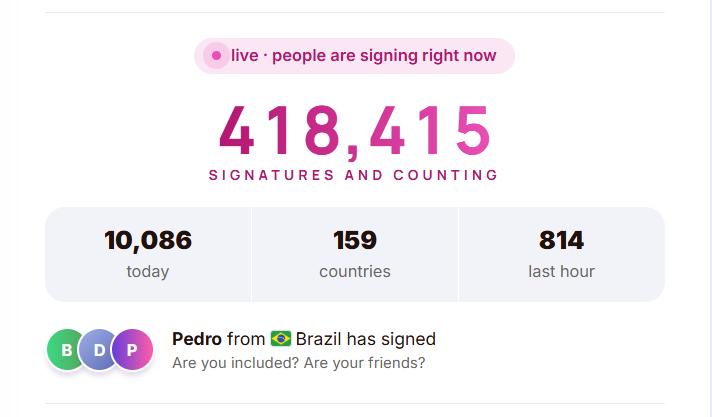
Sign-up is free and needs an email address and a country of residence. Each supporter gets a shareable card with a name, country, unique code and QR code. According to Free Press Journal, citing Orkut’s privacy policy, the codes count how many people reach the site through shared cards.
Sign-up counts differ by report and time of writing. Free Press Journal reported over 2.55 lakh, IBTimes India 266,119 supporters from 119 countries, and BestMediaInfo 273,354 from 125 countries. The numbers were rising as the reports were filed, and the sources reviewed here do not give a current total.
The campaign is not a relaunch of the old network. No launch date, features, funding or final name have been announced, and sign-ups show interest but do not guarantee that a product will follow. Free Press Journal says the project depends on decisions that have not been made public, and that Büyükkökten has not said whether a minimum number of supporters is needed.
The pitch: communities, not feeds
In an open letter, Büyükkökten argues that social media has drifted from connection towards attention, with “feeds built around engagement, not connection,” as BestMediaInfo quotes him. He also says AI is eroding the core promise of social networking, the assurance that a real person is on the other end, and points to bots, AI-generated content and deepfakes. “An algorithm can’t make life worth living. But a friend can. A community can,” he wrote.
He contrasts feeds, where users are an audience, with communities, where they are members, and recalls old Orkut groups, such as those for motorcycle repair or disliking Mondays, as the model, according to Free Press Journal.
Nostalgia and scepticism online
Reaction on LinkedIn has been mixed. Debdut M., a sales director at a technology services group, wrote: “Orkut got me my friends back in 2000 ( with whom i got disconnected after school ). If Orkut relaunches as a AI content free ( light ) platform , with absolute ban on silly reels, i am all game to revisit.” (Orkut launched in 2004, so the year in the comment appears to be a slip.)
Others were less convinced. Jyotiranjan Jena, who describes himself as a strategic systems thinker and telecom and GIS professional, wrote: “I don’t see any value for return? Can anyone explain, why they want it back? Intention and final objective should be on the favour of humanitarian growth. Otherwise, dont waste your time in trying to bring the deads back.”
A quick look back
Orkut launched in January 2004 and became hugely popular in India and Brazil, where it once had more than 50 million active users, as per Free Press Journal. Features included profiles, friend connections, “scraps”, testimonials and interest-based communities. Google shut it down on September 30, 2014, which BestMediaInfo attributes to growing competition from Facebook. Büyükkökten later launched a social network called Hello, which was discontinued in April 2022.
This is also not the first time the name has stirred nostalgia. Orkut.com came back online in April 2022 with a message from Büyükkökten about building communities, and that message went viral again in 2025 amid false reports of a relaunch, Free Press Journal reports. This time, the campaign comes from the founder himself, but it remains a call for supporters, not a product.


No responses yet