The first science results from Artemis II, the first crewed mission to the Moon since Apollo ended in 1972, are in, and the headline is a set of tiny flashes of light on the lunar surface. At a press conference on October 7, NASA released an initial batch of data from the April flyby: 996 new images, 814 GB of observations and 521 minutes of previously unheard crew audio, Space.com reports.
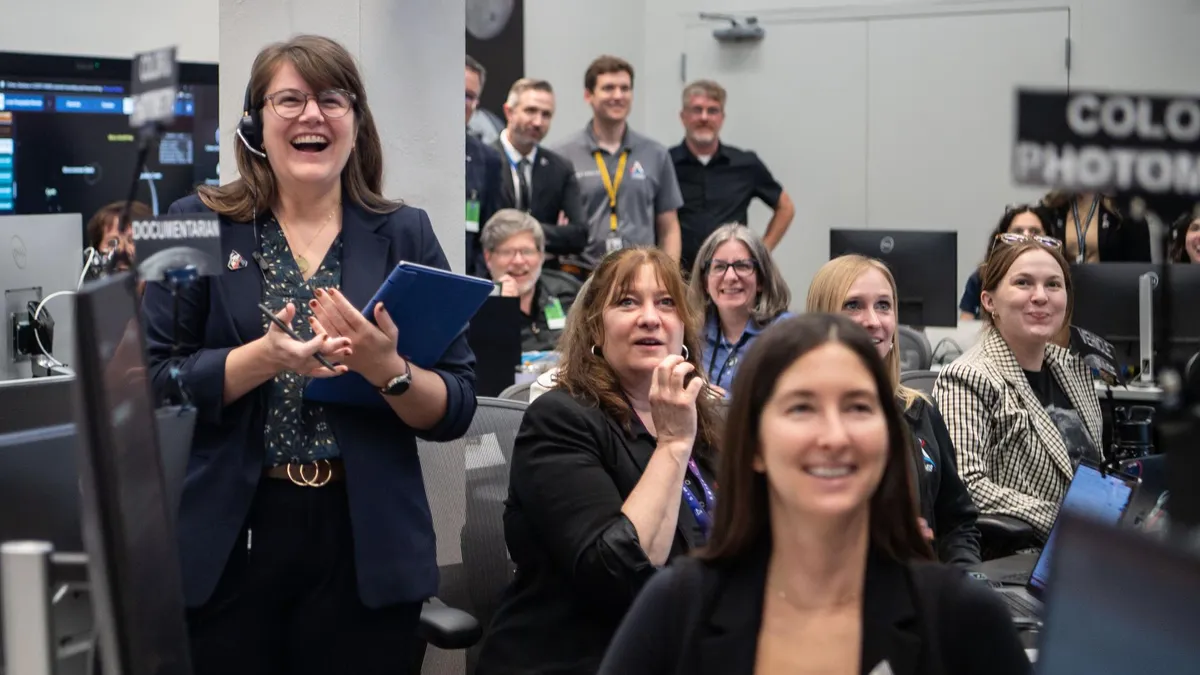
The crew of four, NASA’s Reid Wiseman (commander), Victor Glover (pilot) and Christina Koch (mission specialist), and Jeremy Hansen of the Canadian Space Agency, saw five flashes on the lunar surface. These were caused by small rocks vaporising on impact, and the science team confirmed they did not come from other sources. Wiseman first reported three of them. “Dude, no way!” he exclaims in the mission audio, and he calls them “definitely impact flashes on the moon.” Hansen said they looked “just like a ‘bloop!'” Because the flashes were too brief to photograph, there are no camera images of them. Hansen logged them by annotating a tablet, explained Jennifer Heldmen, a science theme lead. According to the report, the Science Evaluation Room at Mission Control was jumping up and down.
The crew also described colour on a Moon that looks grey from Earth. They reported seeing gray, black, brown, tan, white, green and blue. Greenish and yellowish hues on the Aristarchus Plateau point to different phases of volcanic activity, and such colours can help scientists infer rock and mineral types. Wiseman called a nearby mare a “very muted brown”, while Koch described the yellowish colours as “like a jaundiced cheek of the moon.”
The crew also saw part of the far side that had never been observed up close, and the terminator, the line between lunar day and night, which revealed sharp surface detail. “You can actually see mountains,” Koch said. Alex Stoken of the Crew Lunar Observations team said the crew were the first people to see that section of the Moon illuminated. Glover called the terminator “the most striking thing” he had seen so far. David Hollibaugh Baker of the Artemis II Lunar Science Team said the science community must now use the data to do “magical things with it.” The full findings are in NASA’s Artemis II Preliminary Science Report.


No responses yet