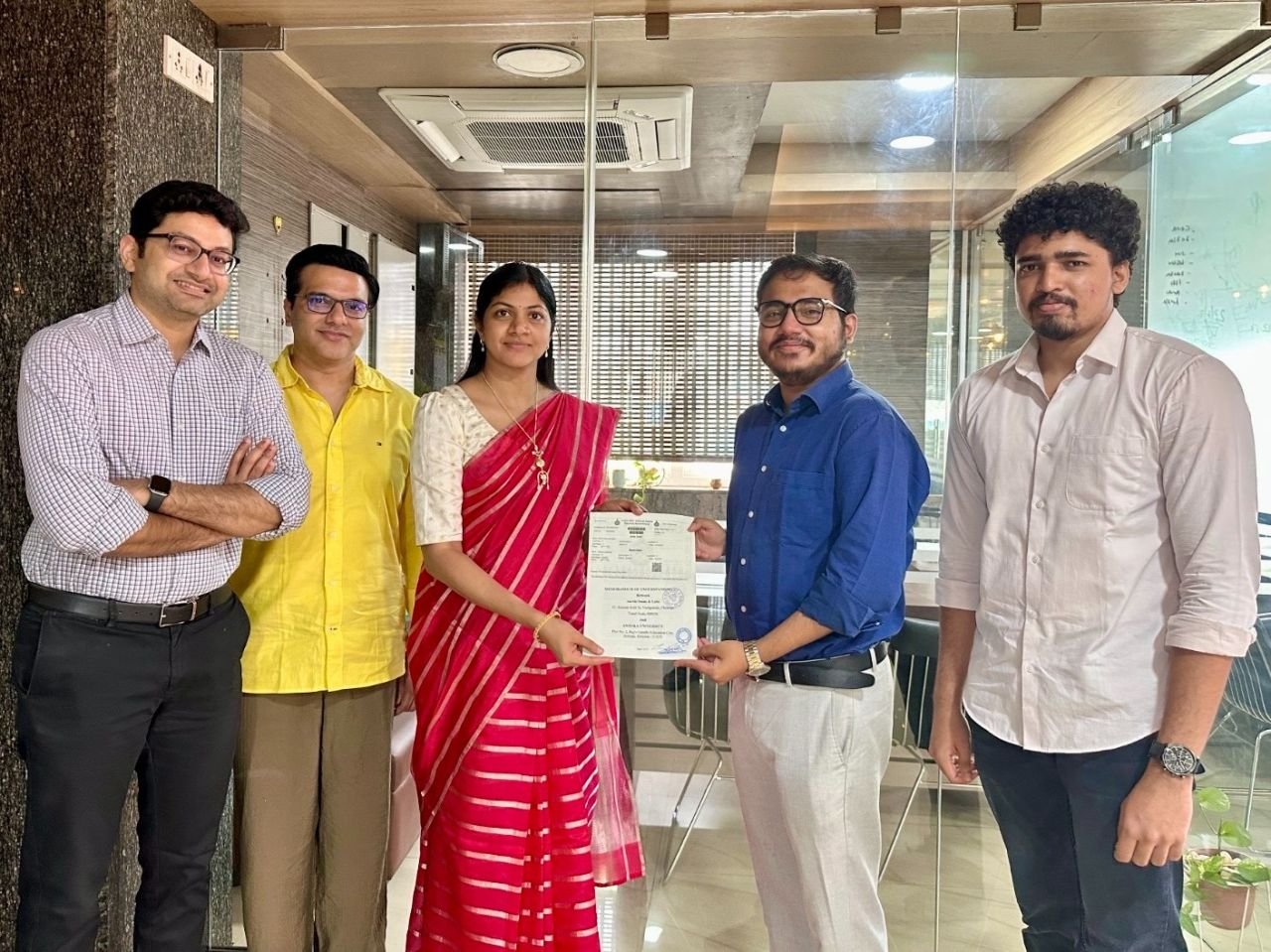
Diagnostics chain Aarthi Scans & Labs and the Koita Centre for Digital Health (KCDH) at Ashoka University have signed a memorandum of understanding (MoU) for research on artificial intelligence in medical imaging. Their first project is an open-source chest X-ray AI model trained and validated on Indian data.
The two institutions say the work is meant to address a gap: most AI tools used in radiology today are built on data from Western populations and are rarely tested on Indian patients, scanners and clinical workflows. They plan to develop and validate models in Indian clinical settings.
What they will build
- A data pipeline. The partners will set up a secure pipeline using de-identified imaging data, in line with ethics approvals and Indian data protection regulations.
- Benchmarking. The data will be used to test radiology AI models for accuracy and fairness across the diversity of Indian patients and equipment.
- A chest X-ray model. Chest X-rays, which the release calls the most commonly performed imaging test in India, are the starting point. The model will be released openly so hospitals, researchers and startups can use, test and build on it.
- Research and standards. The partnership also aims to produce peer-reviewed research and contribute to standards for responsible AI in Indian healthcare.
Dr Arunkumar Govindarajan, radiologist and Executive Director of Aarthi Scans & Labs, said: “Trust in healthcare AI has to be earned through evidence. This partnership brings together rigorous academic research and real-world diagnostic expertise, with privacy and ethics built in from the start.”
Dr Suvrankar Datta, physician scientist and faculty member at Ashoka University, said: “AI in radiology is only as good as the data it learns from. When tools built elsewhere are used on Indian patients, scanners and workflows without proper testing, we cannot be sure they perform as well as they should.”
The announcement does not say how many images will be used, how long the project will run, who is funding it or when the model will be released. It also does not name the data protection rules or ethics approvals it refers to.


No responses yet