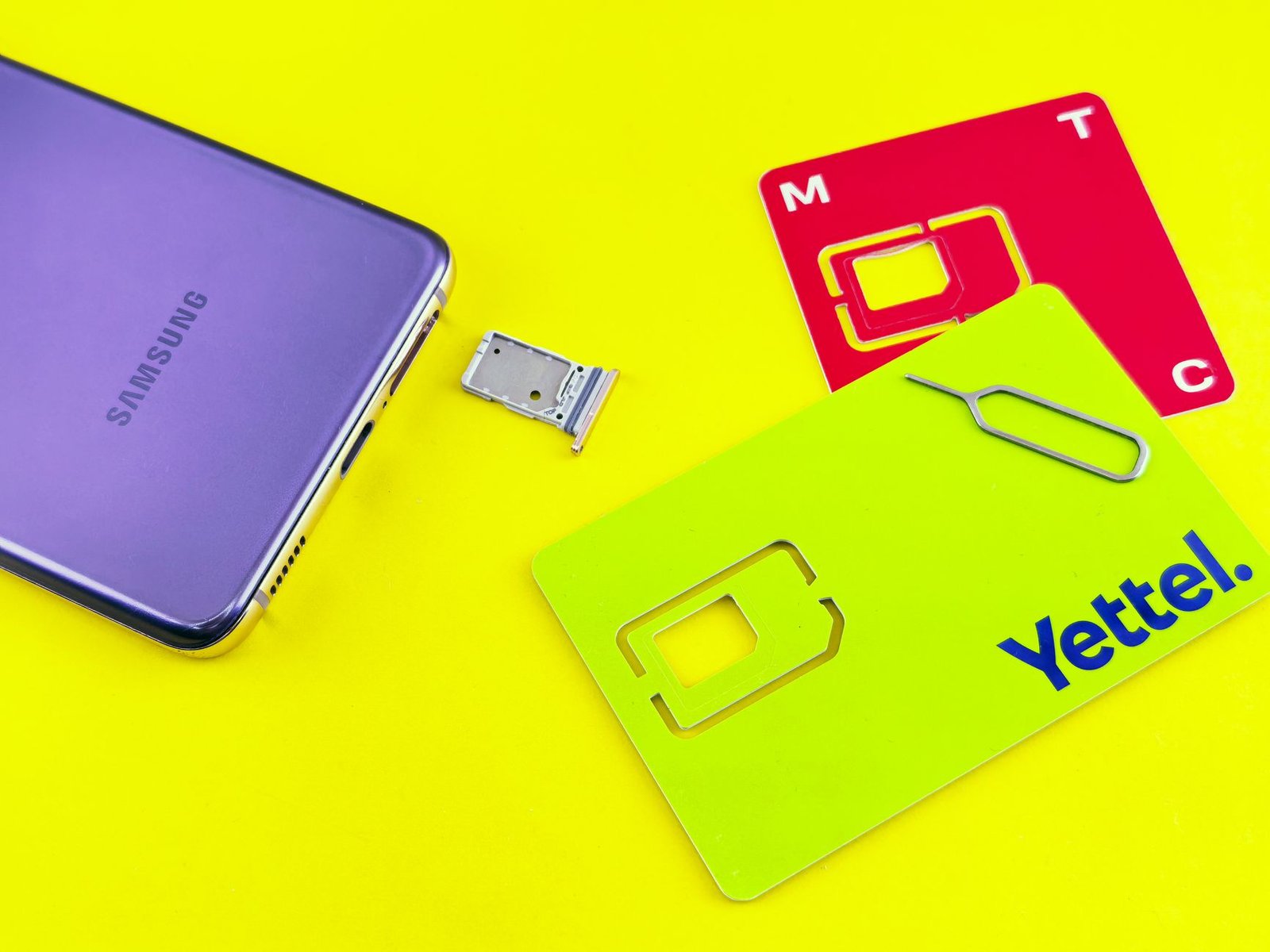
Think of a traveller landing in another country. To avoid expensive roaming charges, she switches off her Indian SIM, buys a local one and connects to hotel Wi-Fi. Her messaging apps work as normal. Under India’s SIM binding directive, that everyday routine could become a problem, because the apps would need the registered Indian SIM to stay active.
A new report by the Esya Centre, a New Delhi technology policy think tank, tries to measure how much that matters. Titled “Rethinking India’s SIM Binding Directive: An Empirical Assessment,” it is based on surveys of 2,033 consumers in 18 cities and 353 businesses in 17 cities, conducted between February and April 2026.
What the directive says
On November 28, 2025, the Department of Telecommunications (DoT) directed app-based communication services such as WhatsApp, Telegram and Signal to keep each account linked to the KYC-verified SIM card of the device in use. The DoT’s reasoning, as described in the report, is that accounts keep working after a SIM is removed or deactivated, which lets fraudsters run scams such as “digital arrest” calls without being traced.
The original rule also required web sessions to log out automatically every six hours. That has since been dropped in favour of risk-based logouts, possibly using AI, and the compliance deadline has been moved to December 31, 2026. The Esya surveys were done before this change, so they capture what people expected to happen, not what has happened. The report says the findings still apply because the broad condition, access depending on the SIM, remains.
The report accepts that the problem is real. It cites Ministry of Home Affairs figures of 28.15 lakh cybercrime cases in 2025, up 24 per cent from 22.68 lakh in 2024, with losses of ₹22,495 crore.
The traveller’s problem
Of 73 respondents who travel abroad at least once a year, only about a third use an Indian SIM with an active roaming plan. Others rely on a local SIM (26 per cent), Wi-Fi only (24.7 per cent) or a secondary SIM (16.4 per cent). Among those who use these alternatives, nearly 70 per cent said it saves money.
Across the full consumer sample, 98.8 per cent said losing messaging access abroad because the primary SIM was inactive would be extremely or moderately inconvenient. The same share said losing internet calling in an emergency would be inconvenient, and 97 per cent said re-authenticating through an Indian SIM while travelling would be. Among multi-device users, 97.7 per cent said forced logouts from laptops and tablets would be inconvenient. That last figure is based on 254 respondents who use messaging on several devices.
The shop that runs on one number
For businesses, the findings are about money. All 353 surveyed firms use messaging platforms in their operations. Around 86 per cent use the same business number on multiple devices and 92 per cent use laptops, desktops or tablets. More than 90 per cent say messaging accounts for at least a quarter of their customer interactions, and 27 per cent say more than half. Nearly three-quarters of them have two or three people handling customer chats.
Asked about a rule limiting access to one handset, about 78 per cent expected serious disruption and 83.5 per cent expected delays or mistakes. To cope, 60.6 per cent expected higher rent or workplace costs, 58.6 per cent more spending on devices and 55 per cent a need for more staff. Overall, 76.3 per cent expected a very or extremely significant financial impact. The sample is mostly small: 46 per cent of firms have up to five employees and 33 per cent have six to ten.
Will it stop fraud?
This is where respondents were most doubtful. About 87 per cent of businesses said they were concerned about SIM-related fraud, yet around 81 per cent did not think SIM binding would meaningfully improve security. Among consumers, 59 per cent did not think it would make messaging platforms safer. The report stresses these are perceptions, not a direct measurement of fraud prevention.
The authors argue that much fraud happens after identity checks are passed, through phishing, stolen credentials, malware and session hijacking. They also point to weak links earlier in the chain. Citing an Indian School of Business study, they note that telecom operators often do not verify subscriber details against government databases, that 89 per cent of alternate subscriber numbers are not Aadhaar-linked, and that point-of-sale agents sometimes skip identity checks when issuing SIMs.
There is also an unintended consequence. About 41 per cent of consumers said they would consider buying another SIM, which could mean more numbers, more cost and a more fragmented identity record, not less.
What the report recommends
Esya Centre wants the focus moved to how criminals actually get in: credential theft, compromised devices and social engineering. It also urges keeping multi-device access, tightening KYC and SIM issuance, going after mule accounts, and evaluating major rules for security benefits and costs before they take effect.
How to read it
This is a think-tank study that measures expectations, not outcomes, and the DoT has not responded to it in the material reviewed here. The survey sample leans urban (76 per cent) and lower-middle income, and some of its most-quoted figures come from small subgroups. Stakeholders have also questioned whether the DoT has the legal power to regulate such apps under this framework, a point the report records. The study is one input to a debate that will come to a head as the December 31 deadline approaches.


No responses yet