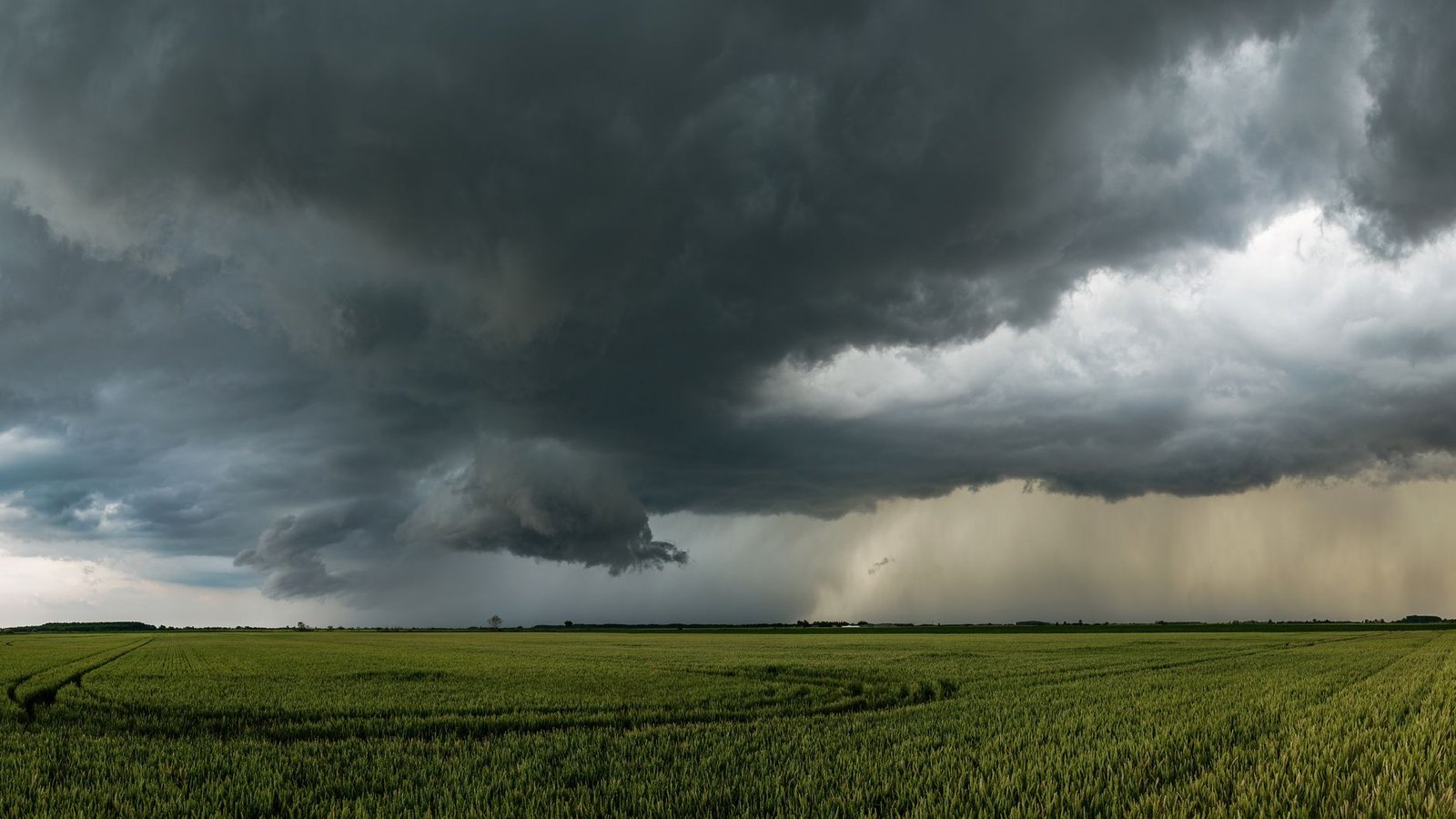
Some of the world’s biggest lenders are quietly preparing for the weather. As a strong El Niño builds in the Pacific, banks from Spain to Peru are reviewing their loan books, building early-warning systems and, in some cases, drawing up plans to reschedule debt for the customers most likely to be hit by drought and floods.
Spain’s BBVA has asked local risk teams to review loan books and is considering rescheduling debt for its most vulnerable clients, particularly in Peru, Argentina and Colombia. The bank’s first phase compares conditions in neutral years with the strongest El Niño events on record, and a second phase will build an early-warning system from seasonal forecasts and monthly updates. BBVA told Bloomberg the approach has “never been attempted before” and that “the data we are currently generating supports this management process.”
Others are further along. Peru’s Intercorp Financial Services has put special El Niño clauses into loans for fishing and agriculture customers, including grace periods and rescheduling. Credicorp, also of Peru, estimated in August that about 9% of its loan book is directly exposed to clients affected by El Niño. Santander uses weekly weather bulletins and monthly El Niño updates and has contingency procedures it can activate; a photo caption in the Bloomberg report puts its agriculture, forestry and fishing loans exposed to physical risk at €1.7 billion. Its stated focus is “anticipation, preparedness and response capacity.”
CaixaBank said sensitive exposures make up about 60% of its agriculture, livestock and fishing lending, but that sector is under 1% of its total portfolio, so it describes its physical-risk exposure as limited. Standard Chartered is carrying out client-level climate risk assessments and monitoring flooding, storms and heat stress at key operating locations and data centres. “We are closely monitoring the potential impacts of El Niño,” said Karen Wilkinson of the bank. Banco do Brasil’s chief financial officer said the lender is “very concerned.” Danske Bank warned that companies outside affected regions can still be exposed through supply chains, particularly shipping and logistics.
Analysts see a credit-quality issue. Bloomberg Intelligence analyst Grace Osborne flagged the possibility of repayment holidays on agricultural loans after severe climate events and warned about lending to water-intensive sectors. She said agricultural loans could affect credit quality faster than real estate loans. European banks also face pressure to disclose such risks under Pillar 3 rules.
The underlying forecast is firm. In its September update, the World Meteorological Organization said El Niño is established and expected to intensify into a very strong event, peaking toward the end of 2026, with an “exceptionally high likelihood of nearly 100%” that it persists through February 2027. WMO Secretary-General Celeste Saulo said: “This exceptional El Niño demands exceptional preparation and response.” The WMO says a very strong El Niño does not mean identical impacts everywhere. Its risks are highest for Southern Africa and Southeast Asia, and parts of Latin America face both drought and flooding.
For India, where farm incomes depend heavily on rainfall, the WMO material GyanMuse reviewed gives no India-specific forecast. It does point to a positive Indian Ocean Dipole expected this season, a pattern that can alter regional rainfall. How Indian lenders are preparing has not been reported in the Bloomberg piece.


No responses yet