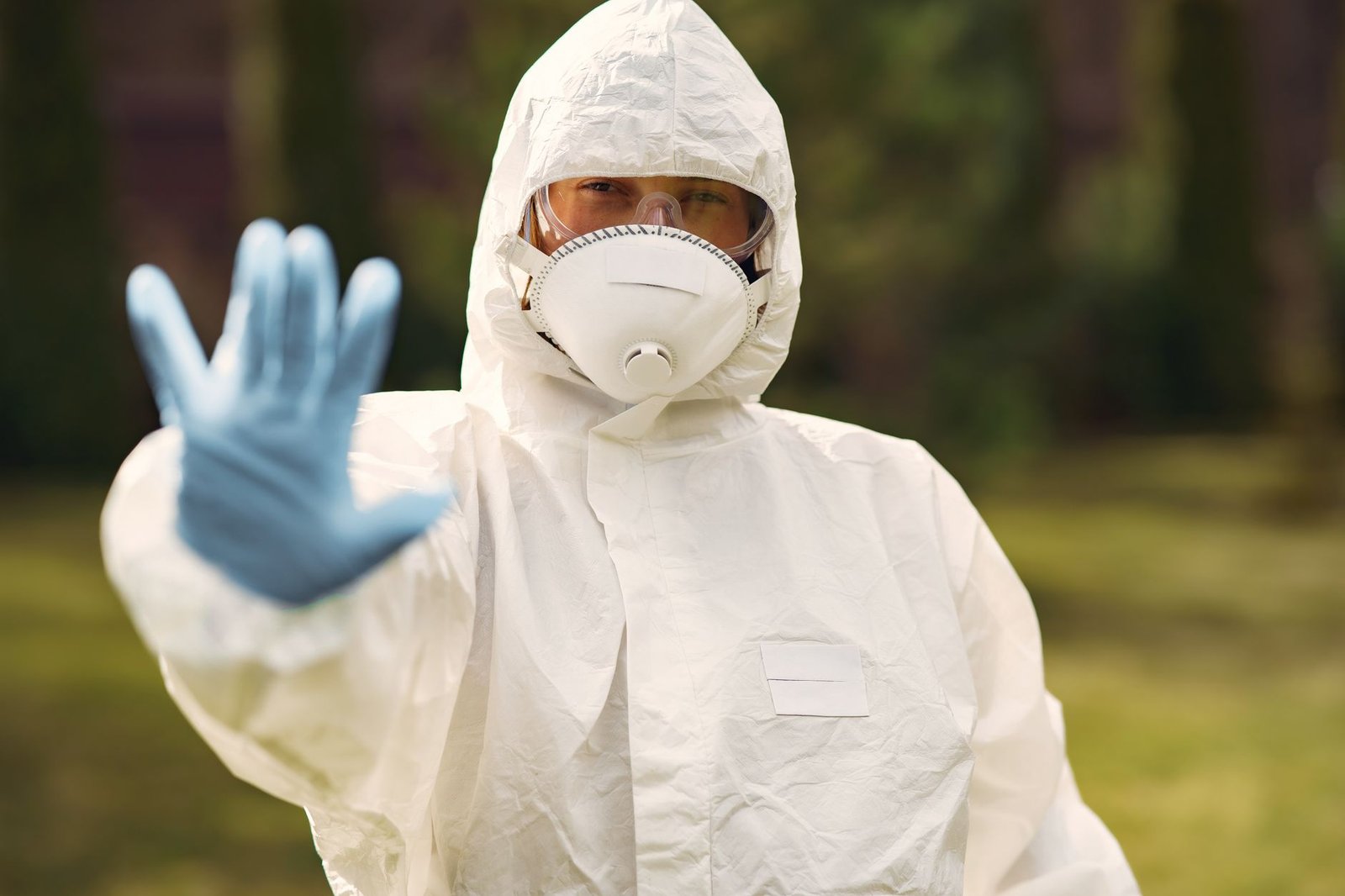
A laboratory worker at an anti-plague institute in Russia’s Irkutsk region has died, and close to 200 people who may have had contact with her have been placed under medical observation. Early reports described the illness as pneumonic plague. By Sunday, Russia’s consumer health watchdog was giving a different diagnosis, and the cause of her illness is still disputed. This is a developing story, and much of what has been reported is unconfirmed.
What is known
The woman, who was 28 according to the regional head of neighbouring Buryatia, worked at the Irkutsk Anti-Plague Institute. The Moscow Times reports she was admitted to a hospital in Shelekhov, near the city of Irkutsk, on Tuesday, September 29, with symptoms of severe pneumonia, was placed on a ventilator, and died on Thursday, October 1. This article does not name her.
According to the Moscow Times, at least 197 people who may have had contact with her were reportedly placed in medical isolation, including more than 100 in hospital wards. Other outlets give slightly different counts; one report puts those hospitalised for monitoring at 189. The Shelekhov district hospital was quarantined pending a review by a special commission, planned public events in Irkutsk were cancelled, and law enforcement reportedly opened a criminal case into possible health-safety violations resulting in death.
Irkutsk Governor Igor Kobzev urged calm after meeting Rospotrebnadzor chief Anna Popova. On Friday he said all identified contacts were under observation, showed no signs of illness, and had negative laboratory results.
The official account has shifted
The diagnosis has been the most contested part of the story.
- Early reports. Media, citing local sources, called the illness pneumonic plague. Alexei Tsydenov, head of neighbouring Buryatia, said she had died from an unspecified form of plague and that her infection was unrelated to his region. Euronews reports his statement was later amended to more cautious wording. Irkutsk officials described the illness only as a “particularly dangerous infection.”
- Sunday’s statement. Rospotrebnadzor said the situation in Irkutsk and Shelekhov was stable and gave the diagnosis as “pneumonia of unknown aetiology.” It also said no incidents involving pathogenic microorganisms had been recorded at the institute, and that no staff member had sought medical help for infectious diseases in the past ten days. TASS had earlier used the “unknown origin” wording as well.
- No formal notice. According to one report summarising Meduza, no agency issued a formal notice of her death.
How she may have become ill: three competing accounts
| Account | Source | Status |
|---|---|---|
| She accidentally broke a test tube containing live bacteria while collecting samples | Reported via a Telegram channel and relayed by the Moscow Times | Unconfirmed; Rospotrebnadzor says no pathogen incidents occurred at the institute |
| She returned from a work trip to Buryatia | Mentioned by an outbreak-news newsletter | Contradicted by Tsydenov, who said she had not visited the republic and that there are no plague outbreaks there |
| She fell ill after a trip to Thailand | One account cited by Meduza | Unverified |
None of these has been established. Newsweek reports that a regional channel, People of Baikal, said at least four Irkutsk hospitals had been closed to visitors for quarantine for three weeks, and that an aluminium smelter in Shelekhov introduced a mask mandate. Those details are unconfirmed by authorities.
What pneumonic plague is, and why the diagnosis matters
Plague is caused by the bacterium Yersinia pestis. According to the World Health Organization, people usually develop symptoms one to seven days after exposure, and the pneumonic form is always fatal when untreated. Anyone with pneumonic plague can pass it on through respiratory droplets, and untreated cases can be fatal within 18 to 24 hours of onset. The WHO also says antibiotics are effective if given early, so quick diagnosis and treatment saves lives. Human-to-human spread of the bubonic form is rare.
That context explains both the scale of the precautions and the importance of an accurate diagnosis. It is also worth stating what the coverage reviewed does not show: no further cases have been reported, and the contacts tested so far have been negative, according to the governor. The WHO has not, in the coverage reviewed, issued a statement on this incident, and Newsweek said it had contacted the agency for comment. A US State Department spokesperson told CNN it was aware of the reported death.
A transparency problem
The sequence of statements has itself become part of the story. Euronews notes that the lack of clarity has fuelled panic on social media in Irkutsk and neighbouring regions. One epidemiologist writing on Substack questioned the official version, noting that a single broken tube at a facility with roughly 90 scientists would not normally force 200 people into quarantine. That is commentary, not evidence, and it should be read as such. Several British tabloids have gone further and alleged a cover-up; those claims are not supported by the reporting cited here.


No responses yet